
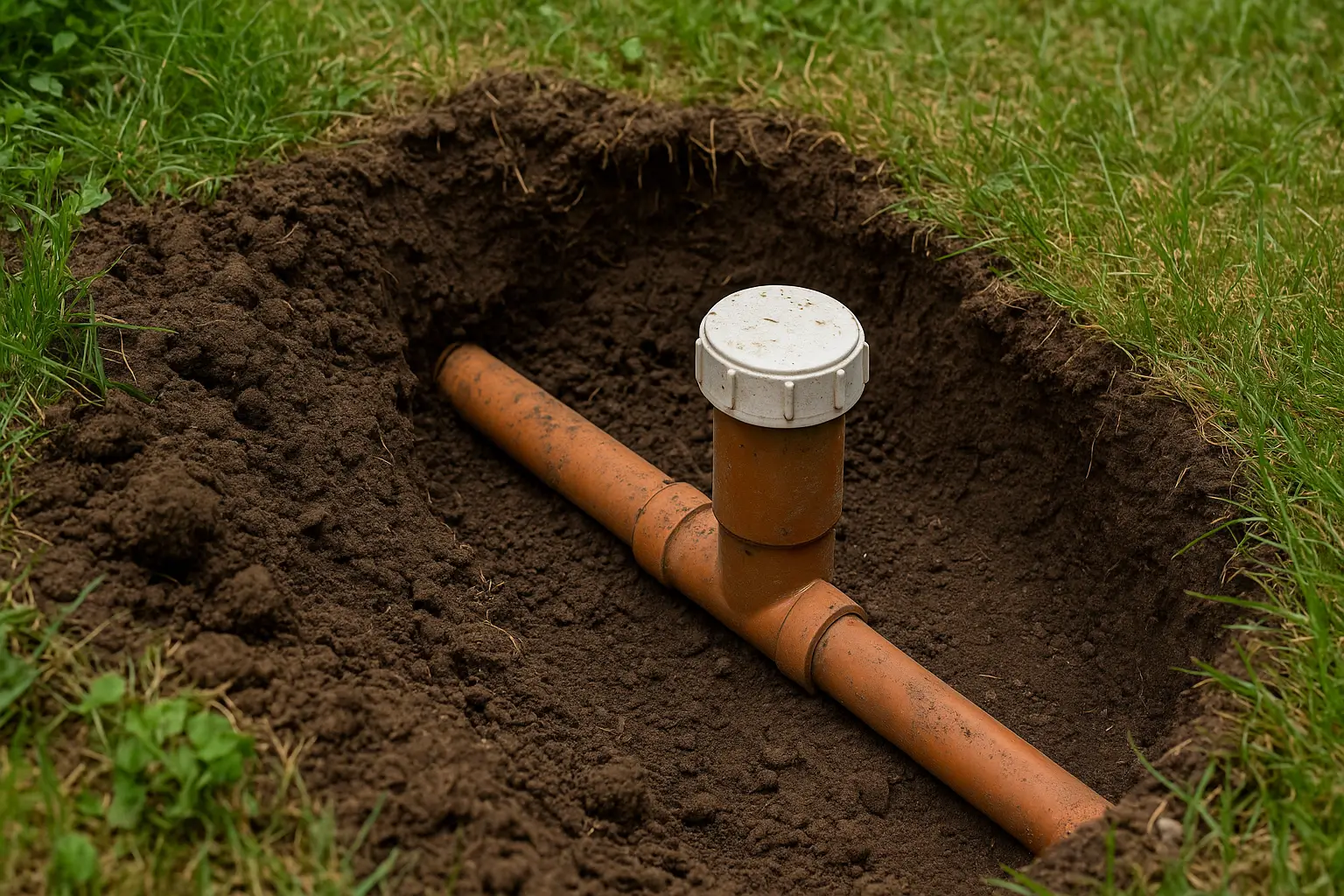
If you own a home in the United States, understanding your plumbing system can save you time, money, and a lot of stress. One important part of that system is something many homeowners don’t think about until a major clog occurs — the sewer cleanout. In this guide, you’ll learn what a sewer cleanout is, why it matters, and how to find a buried sewer cleanout on your property.
What Is a Sewer Cleanout?
A sewer cleanout is a large, capped pipe that gives plumbers easy access to your home’s main sewer line. It is usually made of PVC, cast iron, or ABS plastic and connects directly to the main drain that carries wastewater from your home to the city sewer or septic tank.
Why Is a Sewer Cleanout Important?
A sewer cleanout allows you (or a plumber) to:
- Clear stubborn blockages in the main sewer line
- Run a camera inspection to check for cracks or root intrusions
- Prevent sewage from backing up inside your home
- Quickly diagnose sewer problems without digging up your yard
Having a cleanout can drastically reduce repair costs because it prevents the need for expensive excavations.
Where Is the Sewer Cleanout Usually Located?
In the U.S., sewer cleanout locations vary depending on the age of the home, plumbing codes, and climate. Here are the most common spots:
1. Outside, Near the Foundation
Most modern homes have a cleanout:
- 2–6 feet from the exterior wall
- Close to a bathroom or kitchen
- Near the point where the sewer line exits the house
You’ll typically see a 3–6 inch round cap sticking slightly above ground level.
2. Inside the Home
Older homes may have indoor cleanouts, often located:
- In the basement, near the floor drain
- In the crawlspace, close to the main plumbing stack
- Behind an access panel in a utility room or garage
3. In the Yard
Some homes have the cleanout further out in the yard, especially if the sewer line is long.
4. Under Landscaping or Gravel
If your cleanout cap was never extended above ground, it may be buried under:
- Grass
- Mulch
- Rocks
- Flower beds
This is where many homeowners struggle — and why you may need to search for a buried sewer cleanout.
How to Find a Buried Sewer Cleanout (Step-by-Step Guide)
If your cleanout isn’t visible, don’t worry. Many U.S. homes have hidden or buried cleanouts. Here’s how to locate it safely and effectively.
1. Start at the Indoor Plumbing
Find the main sewer line indoors:
- Look for a large vertical pipe (3–4 inches wide).
- Trace where it exits the foundation wall.
Your buried cleanout is usually located in a straight line outside from this exit point.
2. Check the Property Line Side
Most homes connect to the city sewer at the street. The cleanout line typically runs:
- From the house
- Toward the street or alley
Walk this path and scan the ground for any signs of a cap or raised pipe.
3. Look for Subtle Ground Indicators
A buried cleanout may cause:
- Slight mounds in the grass
- A circular outline under mulch
- A firm spot when pressing the ground
Use a thin metal probe if needed (avoid power tools to prevent damage).
4. Check Record Drawings or Home Inspection Reports
If you purchased a home recently, check:
- Closing documents
- Plumbing inspection reports
- City sewer maps (available from local utilities)
These often mark the sewer line path.
5. Use a Sewer Camera or Locate Service (If Needed)
Professionals can:
- Insert a camera through an indoor cleanout or toilet drain
- Use a signal transmitter
- Trace the exact underground path to the buried cleanout
This method is extremely accurate and prevents unnecessary digging.
How Deep Is a Sewer Cleanout Buried?
Most U.S. sewer cleanouts are buried:
- 2 inches to 2 feet deep, depending on landscaping
- In colder states, they may be deeper to protect against freezing
Can You Install a New Cleanout If You Don’t Have One?
Yes — and it’s highly recommended.
A plumber can install a new cleanout by:
- Cutting into the main sewer line
- Adding a Y-fitting
- Installing a capped vertical pipe
This upgrade reduces future repair costs and keeps your plumbing code-compliant.
Signs You Need to Access Your Sewer Cleanout
Call a plumber immediately if you notice:
- Gurgling drains
- Sewage odor outside
- Multiple drains backing up at once
- Slow draining throughout the house
These often indicate a main sewer line blockage.
Final Thoughts
Understanding what a sewer cleanout is and knowing how to find a buried sewer cleanout can save you from expensive repairs and stressful plumbing emergencies. Whether your cleanout is visible, hidden, or missing entirely, taking the time to locate or install one is a smart investment for every U.S. homeowner.