
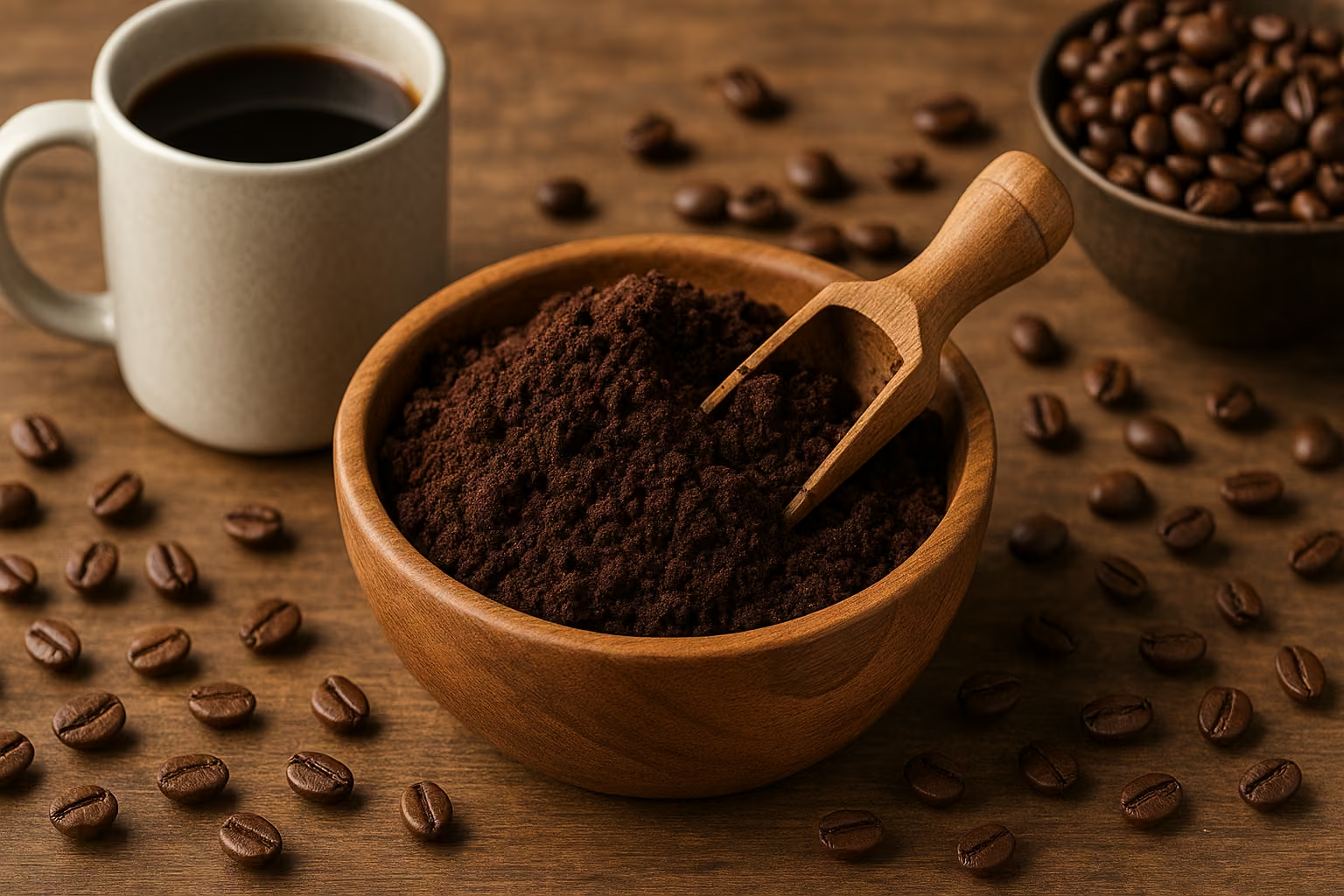
If you brew coffee at home, chances are you throw away a surprising amount of used coffee grounds each week. Those damp, dark leftovers may not look like much, but they are packed with potential. Leftover Coffee Grounds are abrasive, deodorizing, nutrient rich, and surprisingly versatile.
Instead of sending them to the trash, you can put them to work in ways that save money, reduce waste, and make everyday tasks easier. From gardening to cleaning to personal care, coffee grounds have more uses than most people realize.
10 Friendly ways to reuse leftover coffee grounds
Below are ten smart, practical, and eco friendly ways to reuse leftover coffee grounds. Most require no special tools and fit easily into daily routines.
1. Improve Your Garden Soil
Used coffee grounds are often praised as a garden booster, and with good reason. While fresh coffee is acidic, used grounds are closer to neutral and add organic matter to soil.
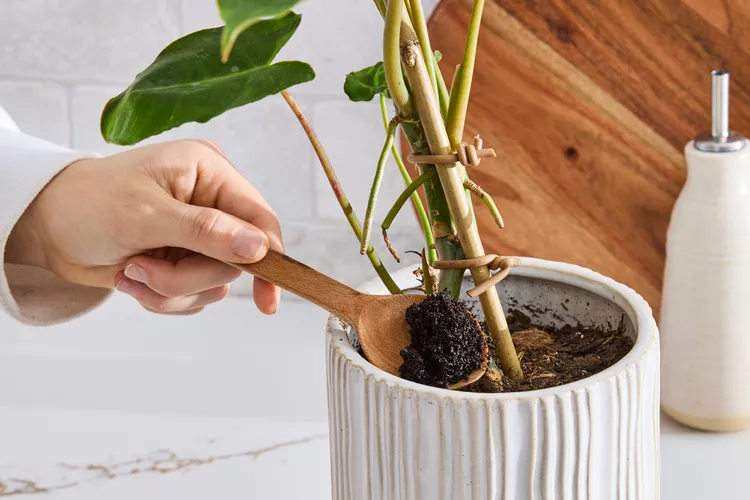
How to use them effectively
- Mix grounds into compost rather than applying thick layers directly to soil
- Sprinkle lightly around acid loving plants such as blueberries, azaleas, and roses
- Combine with leaves or grass clippings to improve soil texture
Coffee grounds help soil retain moisture and encourage beneficial microorganisms. Just remember that moderation matters. Too much can compact soil and reduce airflow.
2. Create a Natural Compost Booster
Coffee grounds are considered green compost material, meaning they provide nitrogen. Compost piles need a balance of greens and browns to break down properly.
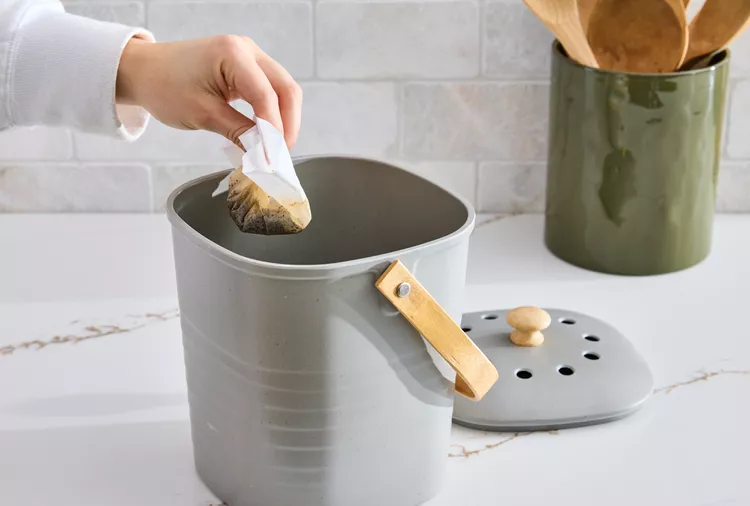
Why coffee grounds help compost
- Add nitrogen to speed up decomposition
- Attract earthworms that improve compost quality
- Help heat up the pile for faster breakdown
Mix grounds evenly with dry leaves, cardboard, or straw. This keeps your compost healthy and odor free.
3. Neutralize Odors Around the House
Coffee grounds absorb and neutralize odors rather than masking them. This makes them useful in places where smells tend to linger.
Where to use them
- In an open bowl inside the refrigerator
- At the bottom of trash cans
- In gym bags or shoes
Dry the grounds first to prevent mold. Replace every one to two weeks for best results.
4. Use as a Natural Scrub for Cleaning
The gritty texture of coffee grounds makes them an effective abrasive cleaner. They work especially well on stubborn grime.
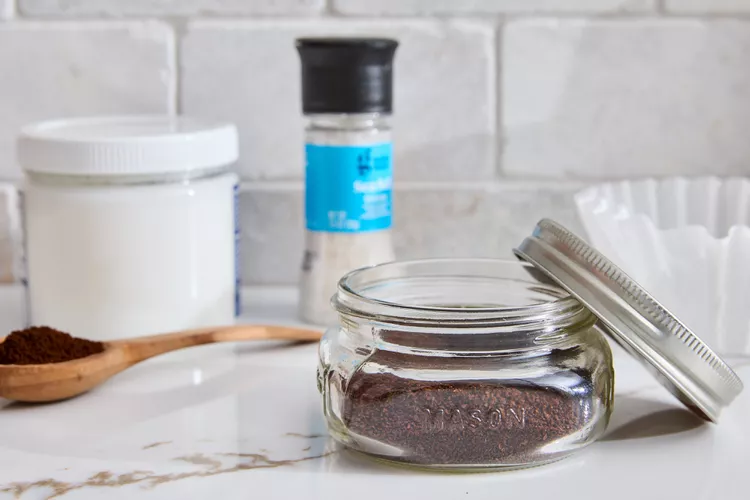
Best cleaning uses
- Scrubbing pots and pans with baked on residue
- Cleaning fireplace ash buildup
- Removing grease from grills
Avoid using grounds on porous surfaces like marble or light colored countertops, as they may stain.
5. Repel Pests in the Garden
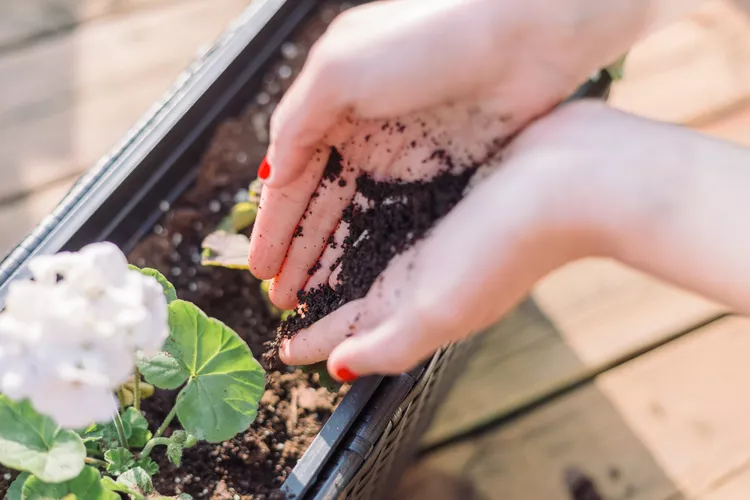
Some insects and pests dislike the smell and texture of coffee grounds. While not a guaranteed solution, grounds can help deter certain unwanted visitors.
Pests they may discourage
- Slugs and snails
- Ants
- Cats digging in garden beds
Spread a thin ring of grounds around plants or garden borders. Reapply after rain.
6. Exfoliate Skin Naturally
Used coffee grounds can double as a gentle exfoliant for hands or body. The texture helps remove dead skin cells and improve circulation.
Simple DIY coffee scrub
- 2 tablespoons used coffee grounds
- 1 tablespoon coconut oil or olive oil
- Optional teaspoon of sugar for extra grit
Use gently and avoid sensitive areas. Always rinse thoroughly to prevent residue in drains.
7. Refresh Hands After Cooking
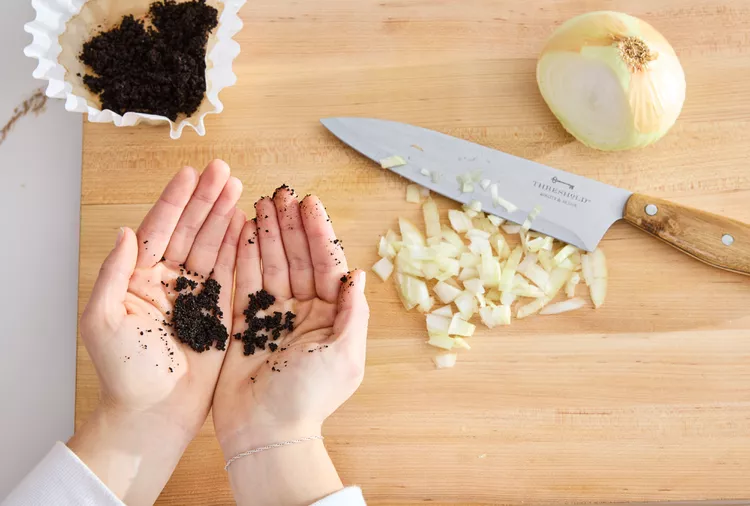
Garlic, onion, and fish odors can cling to hands even after washing. Coffee grounds help neutralize these smells.
How to use
- Rub a small amount of damp grounds between your hands
- Rinse with warm water and mild soap
This works particularly well after handling strong smelling ingredients.
8. Revive Wooden Furniture and Scratches
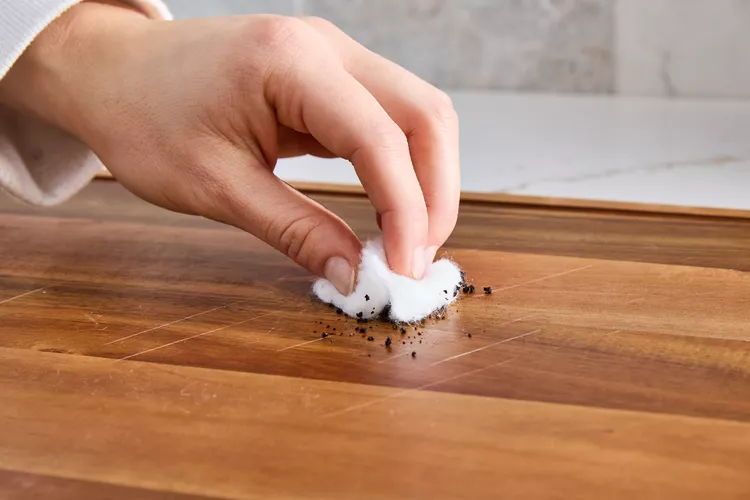
Coffee grounds can help disguise scratches on dark wood furniture. The natural pigment acts like a mild stain.
What to do
- Mix grounds with a small amount of water to form a paste
- Apply gently to scratches with a cotton swab
- Wipe clean and buff lightly
Test on a hidden area first to ensure color match.
9. Grow Mushrooms at Home
Coffee grounds are an excellent growing medium for certain edible mushrooms, especially oyster mushrooms.
Why coffee grounds work
- Already pasteurized by brewing
- Rich in nutrients fungi love
- Readily available and inexpensive
Many beginner mushroom kits are designed specifically for use with spent coffee grounds. This is a fun project that turns waste into food.
10. Reduce Grease Buildup in Drains
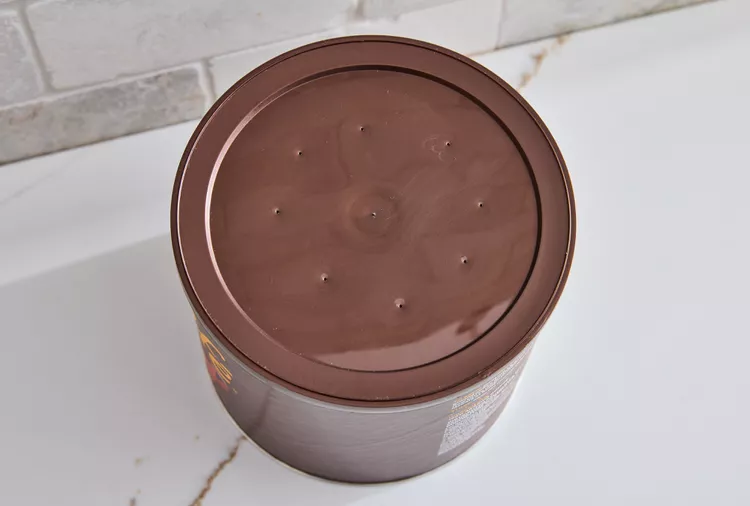
Coffee grounds can help absorb grease before it hardens on surfaces, though they should not be poured directly down drains.
Smart use tip
- Add grounds to greasy pans before washing
- Wipe out absorbed grease with a paper towel
- Wash as usual
This keeps grease out of pipes while making cleanup easier.
Storage Tips for Used Coffee Grounds
To get the most out of your coffee grounds, store them properly.
- Spread grounds out to dry before storing
- Keep in an open container to prevent mold
- Use within one to two weeks for non compost uses
If you drink coffee daily, a small countertop container works well.
Common Mistakes to Avoid
While coffee grounds are useful, misuse can cause problems.
- Do not dump large amounts directly into drains
- Avoid thick layers in garden soil
- Do not store wet grounds in sealed containers
A little planning keeps your reuse efforts effective and mess free.
Quick Reference Summary
Best uses for leftover coffee grounds:
- Soil and compost enrichment
- Odor absorption
- Gentle cleaning scrub
- Natural exfoliation
- Garden pest deterrent
Key rule: Use in moderation and dry when possible.
Final Thoughts
Leftover coffee grounds are one of the easiest household materials to reuse. They cost nothing, reduce waste, and serve practical purposes in cleaning, gardening, and self care. With just a few small habit changes, you can turn something you used to throw away into a helpful everyday resource.
Next time you brew a pot of coffee, think twice before dumping the grounds. Chances are, they still have plenty of work left to do.