
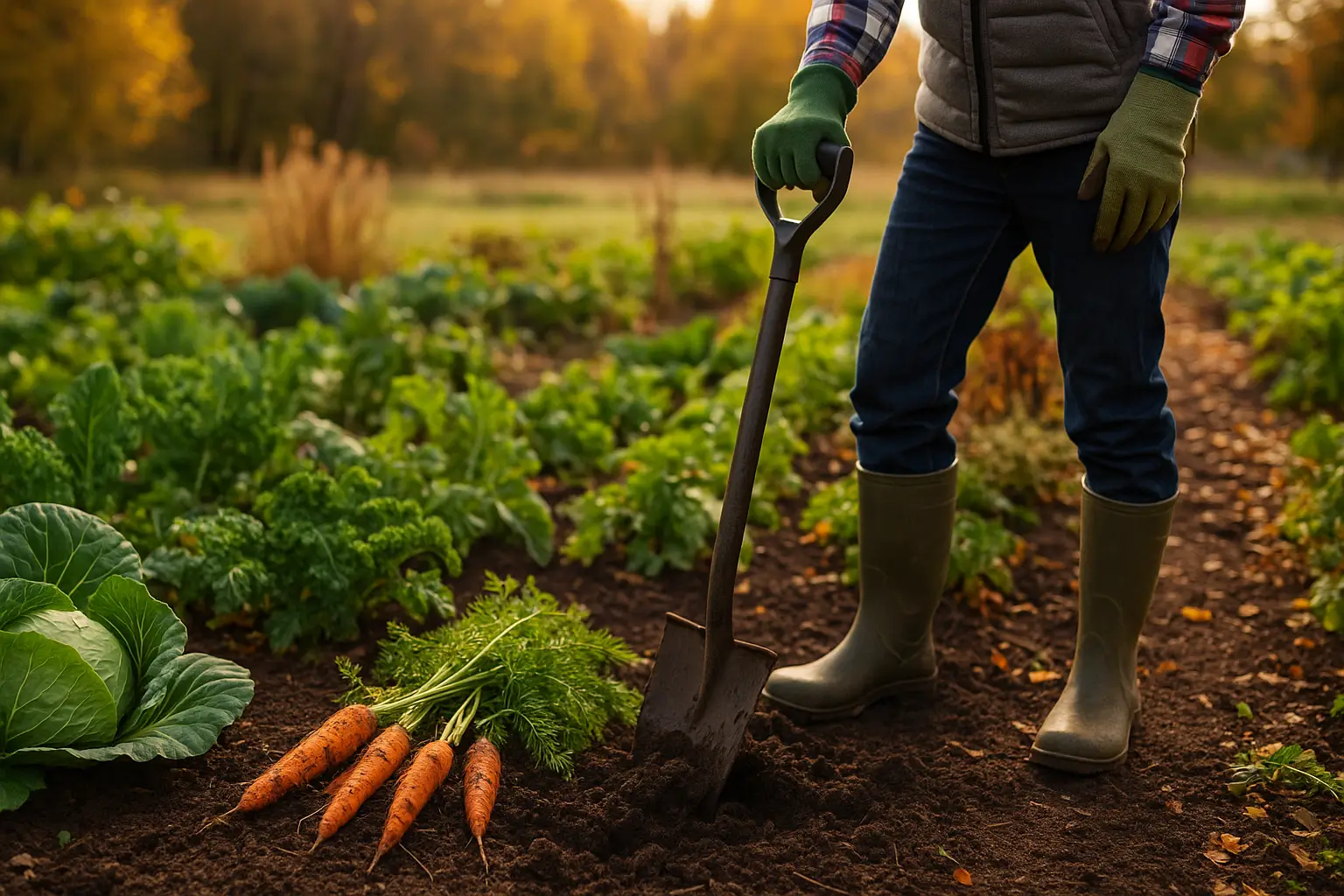
As autumn progresses and temperatures begin to dip, gardeners across the United States need to prepare for the inevitable frost. Understanding which gardening tasks to do before frost arrives is essential for protecting your investment in your garden, preserving your plants’ health, and setting the stage for a thriving spring garden. In this comprehensive guide, we’ll walk through every important task you need to complete before the first frost hits your area.
Why Timing Matters: Understanding Frost and Your Garden
Before diving into specific gardening tasks to do before frost, it’s important to understand what frost is and why it matters. Frost occurs when ground-level temperatures drop to 32°F (0°C) or below, causing water in plant cells to freeze. This process damages or kills tender plants, fruits, and vegetables almost instantly.
The timing of the first frost varies dramatically across the United States. Gardeners in northern states like Minnesota and Maine may see frost as early as August or September, while those in southern states like Florida and Texas might not experience frost until December or even January.
If you’re new to gardening and unsure about what tools you’ll need for fall preparation, our guide on what gardening tools do beginners need can help you get started.
1. Harvest Your Remaining Vegetables and Fruits Before Frost Damage
One of the most critical gardening tasks to do before frost is harvesting everything that’s ready or nearly ready in your vegetable garden. Frost can destroy an entire season’s worth of work overnight, so this task shouldn’t be postponed.
What to harvest immediately: Tender vegetables like tomatoes, peppers, squash, beans, cucumbers, and eggplant are particularly susceptible to frost damage. Even if these vegetables aren’t fully ripe, pick them now. Green tomatoes, for example, can continue ripening indoors on a sunny windowsill over several weeks. Many gardeners find that end-of-season tomatoes actually taste better when ripened slowly indoors.
Root vegetables and brassicas: While hardier vegetables like broccoli, cabbage, and kale can tolerate light frosts and even improve in flavor after a frost, harvest them before a hard freeze (temperatures below 28°F) occurs. Root vegetables like carrots, beets, and parsnips can stay in the ground a bit longer but should be dug up before the ground freezes solid.
Pro tip: Check weather forecasts for frost warnings. If frost is predicted within 24-48 hours, make harvesting your top priority. A single night of hard frost can end your growing season.
2. Properly Dig Up and Store Root Vegetables for Winter
Once you’ve decided to harvest root vegetables, proper storage is crucial for keeping them fresh through the winter months. Root vegetables stored correctly can provide homegrown produce well into winter or early spring.
Steps for storing root vegetables: First, gently dig around each vegetable to avoid bruising them, as bruised sections will rot quickly. Remove excess soil by hand rather than washing, as moisture promotes rot. Leave a small portion of the stem attached (about 1 inch) but remove all foliage. Store vegetables in boxes or bins filled with damp sand, sawdust, or peat moss in a cool location like a basement, unheated garage, or root cellar where temperatures stay between 32-40°F.
What root vegetables store best: Carrots, beets, parsnips, turnips, and radishes store exceptionally well using this method. Potatoes require slightly different storage—keep them in complete darkness at around 45-50°F to prevent greening. Check stored vegetables regularly and remove any showing signs of mold or decay to prevent spoilage from spreading.
Want to know when to plant garlic for next year’s harvest? Check our guide on when to plant garlic to plan ahead while you’re organizing your garden.
3. Cut Back Perennials and Manage Annual Flowers Strategically
Managing your flower beds before frost requires a thoughtful approach, as different plants benefit from different treatment strategies during this important gardening task to do before frost.
Annual flowers and tender perennials: Cut back annual flowers that have finished blooming completely. These plants will die when frost arrives anyway, so removing them now prevents disease and gives your beds a cleaner appearance. Tender perennials like dahlias, begonias, and tender geraniums should be cut back close to the ground before the first frost.
Perennials to leave standing: Ornamental grasses, coneflowers, black-eyed Susans, and similar plants provide winter interest and shelter for beneficial insects, so leave them standing. Many gardeners appreciate the beauty of frost-covered seed heads on these plants. Additionally, leaving perennials intact protects the crown (where stems meet roots) from harsh winter weather. The Garden Myths website has excellent information about overwintering ornamental grasses.
When in doubt: Research your specific perennials or consult your local extension office. Different regions and plant varieties have different requirements, so understanding your particular plants ensures you’re making the right decisions.
4. Protect Tender Plants and Young Shrubs from Freezing Temperatures
Not all plants need to be removed or cut back. Some tender plants can be protected in place or brought indoors, which is an important gardening task to do before frost for anyone with tropical plants or tender perennials.
Moving plants indoors: Container-grown tropical plants like hibiscus, bougainvillea, and tender ferns should be moved indoors before the first frost. Place them in a bright window where they’ll receive adequate light. Reduce watering slightly as they enter dormancy. Many tropical plants can survive winter indoors with minimal care and return to the garden the following spring.
Wrapping and protecting in place: Young or tender shrubs can be wrapped in burlap to protect them from wind damage and extreme cold. Drive stakes around the plant and wrap burlap around the stakes, leaving the top open for air circulation. This protection is particularly important for newly planted shrubs that haven’t fully established yet.
Using frost cloth: Frost cloth or garden fabric can protect tender plants from frost damage. Drape it over plants in the evening when frost is predicted and remove it the next morning once temperatures rise. This simple barrier can mean the difference between a plant surviving and succumbing to frost.
5. Clean Up Debris and Fallen Leaves Properly
Fall cleanup is more nuanced than simply raking everything away. Strategic debris management is an important gardening task to do before frost that prevents pest and disease problems while supporting beneficial insects.
Selective leaf removal: Remove leaves from areas where they could harbor pests or diseases, such as from diseased plants or areas prone to fungal issues. However, leave leaves in perennial beds and around shrubs as insulation and habitat for beneficial insects. You can also shred leaves with a mower and use them as mulch—shredded leaves break down faster and look neater than whole leaves.
Disease prevention: Remove fallen fruit from beneath apple, pear, and other fruit trees. These fallen fruits often contain pests and diseases that will overwinter and infect trees again next spring. Dispose of diseased plant material in the trash rather than composting, as most home compost piles don’t reach temperatures high enough to kill pathogens.
Compost management: Create a compost pile from healthy leaves and plant debris. This organic matter will break down over winter and provide rich compost for spring gardening. Avoid composting diseased plants, invasive weeds with seeds, or plants treated with pesticides.
6. Drain and Properly Store Garden Equipment
This often-overlooked gardening task to do before frost can save you hundreds of dollars in equipment replacement costs. Freezing water can destroy hoses, irrigation systems, and outdoor faucets.
Hoses and watering equipment: Drain all garden hoses completely and coil them loosely for storage in a dry location like a shed or garage. Frozen water inside hoses causes cracks that render them unusable. Similarly, drain sprinkler cans and watering wands. Store nozzles and connections indoors as well.
Irrigation systems: If you have drip irrigation, soaker hoses, or in-ground sprinkler systems, shut off the water supply and drain all lines completely. In cold climates, you may need to blow out the lines with compressed air to ensure all water is removed. Leaving water in irrigation systems is one of the most common causes of winter damage.
Faucets and outdoor plumbing: Turn off the main water supply to outdoor faucets and drain them thoroughly. Leave the spigot open to allow any remaining water to escape. Consider insulating outdoor faucets with faucet covers available at most hardware stores.
7. Apply Mulch to Protect Roots and Insulate Plants
Mulch is one of the best defenses against harsh winter weather and frost damage. This gardening task to do before frost protects plant roots, regulates soil temperature, and prevents frost heave (where frozen ground pushes plants out of the soil).
When to mulch: Apply 2-3 inches of organic mulch around the base of perennials, shrubs, and trees after the ground has had one or two hard freezes. Mulching too early can trap moisture and encourage fungal diseases, plus it provides rodents with nesting material. Wait for the first frost, then apply mulch.
Best mulch materials: Shredded hardwood bark, compost, aged pine needles, and shredded leaves all work well. Keep mulch 2-3 inches away from tree trunks and shrub stems to prevent rot and pest problems. Don’t use fresh wood chips, which can attract pests.
For perennials: Consider creating a protective mulch ring around tender perennials. As the season progresses and temperatures stay cold, add more mulch for extra protection. This is particularly important in areas where temperatures fluctuate significantly. For more detailed soil preparation tips, check out our guide on how to lower pH in soil for acidic plants that may need special consideration.
8. Test Soil and Add Amendments for Spring Success
Fall is the ideal time to address soil deficiencies, making this an important gardening task to do before frost that pays dividends next spring. Amendments added in fall have months to integrate into the soil.
Soil testing: Contact your local Cooperative Extension office to request a soil test. This inexpensive service reveals pH levels, nutrient content, and organic matter percentage. Based on results, you’ll know exactly what amendments your garden needs rather than guessing.
Adding amendments: Once the soil test results arrive, amend your beds according to recommendations. Common amendments include compost (improves all soil types), peat moss or coconut coir (improves drainage in clay soil), aged manure (adds nutrients), and lime or sulfur (adjusts pH). Work these amendments into the top 6-8 inches of soil before frost makes the ground too hard to work.
Benefit of fall amendment: Amendments added in fall have all winter to break down and integrate into the soil. Spring planting becomes easier, and your plants start the season with improved soil conditions and better nutrient availability.
9. Divide and Transplant Perennials Before Ground Freezes
Many gardeners don’t realize that fall is ideal for dividing and transplanting perennials. This gardening task to do before frost takes advantage of natural dormancy and cooler temperatures for root establishment.
Best perennials for fall division: Spring-blooming perennials like daylilies, hostas, sedums, and ornamental grasses are excellent candidates for fall division. Divide them after they’ve died back but before the ground freezes solid. Division stimulates new growth and rejuvenates old plants that have become overcrowded or sparse in the center.
Division process: Dig up the entire plant, rinse soil from the roots, and gently pull the plant apart into sections. Each section should have several shoots and a healthy portion of roots. Replant divisions in amended soil and water well. Add mulch after the ground freezes.
Timing is key: In northern regions, complete division by early October. In southern areas, you may have until November or later. The goal is giving plants enough time to establish roots before harsh winter weather arrives, but not so much time that they send up new foliage that will be killed by frost.
10. Store Tender Bulbs and Tubers for Winter
If you grow tender bulbs and tubers like dahlias, gladiolus, cannas, and tender tropical bulbs, harvesting and storing them properly is essential. These plants won’t survive freezing temperatures in the ground and must be dug up and stored indoors.
Harvesting tender bulbs: Wait until the first frost has killed the foliage, then dig carefully around plants to avoid damaging the bulbs or tubers. Use a garden fork to loosen soil. Brush off excess soil gently but don’t wash the bulbs, as moisture promotes rot during storage.
Curing and storage: Lay bulbs and tubers in a single layer in a cool, dry location for 2-4 weeks to allow them to cure. This hardens the outer skin and heals small wounds. Once cured, store in boxes or paper bags filled with dry peat moss, sawdust, or packing peanuts. Keep storage temperatures between 40-50°F, and check periodically for mold or rot.
Labeling for spring: Label each variety with the color and cultivar name. It’s easy to forget what you stored after several months. Taking a few seconds to label each container saves guesswork when spring planting arrives.
11. Prepare Lawn and Ground Cover Before Dormancy
Your lawn also needs attention before frost arrives, making lawn care part of essential gardening tasks to do before frost.
Final fall mowing: Continue mowing your lawn until grass stops growing. Longer grass (2.5-3 inches) entering winter is more winter-hardy than short grass. The taller blades also provide insulation and protect the crown of the grass plant from harsh conditions.
Fall fertilizing: Apply a fall fertilizer high in potassium and phosphorus but lower in nitrogen. This promotes root development and winter hardiness. Avoid spring-type fertilizers that encourage soft new growth that will be killed by frost.
Aeration and overseeding: Fall is an excellent time to aerate compacted lawns and overseed thin or bare areas. Cool temperatures and fall moisture provide ideal conditions for seed germination and root development before winter dormancy.
12. Prepare Garden Beds for Spring Planting
This final gardening task to do before frost sets you up for success next spring by reducing spring workload.
Bed preparation: Remove old plant debris from beds, break up compacted soil, and incorporate compost or aged manure. These additions improve soil structure and provide nutrients for spring plants. Level beds so water drains properly and doesn’t pool.
Create planting markers: If you’ve planned spring plantings, mark areas where you want to place perennials, shrubs, or bulbs. This prevents accidentally disturbing these areas during winter cleanup. Use stakes or paint to mark planting locations.
Winter sowing setup: Set up containers for winter sowing if you’re planning to start seeds outdoors in late winter. Recycled plastic jugs or milk cartons work perfectly. Fill with seed-starting mix and set in a protected location where they’ll be ready for seeding in late January or February.
Regional Considerations: Frost Timing by Region
Frost dates vary significantly across the United States. Here’s a general guide to help plan your gardening tasks before frost:
Northern regions (Minnesota, Wisconsin, Michigan, Maine): First frost typically occurs in late August or early September. Begin preparing in late July and complete major tasks by early September.
Upper Midwest (Ohio, Pennsylvania, New York): First frost usually occurs in mid-to-late October. Complete major tasks by early October.
Mid-Atlantic and Southern regions (Virginia, North Carolina, Tennessee): First frost typically arrives in late October or November. You may have until mid-November to complete tasks.
Deep South (Texas, Louisiana, Mississippi): First frost may not occur until December or even January. Monitor weather closely in late November and early December.
West Coast (California, Oregon, Washington): Frost timing varies dramatically based on elevation and proximity to coast. Check local frost dates carefully.
Visit the USDA Hardiness Zone Map, check The Farmer’s Almanac frost calculator, or contact your local Cooperative Extension office for specific frost dates in your area. These resources provide the most accurate information for planning your gardening tasks before frost.
Checklist: Gardening Tasks to Do Before Frost
To make preparation easier, here’s a comprehensive checklist of gardening tasks to do before frost:
Vegetables and Produce:
- Harvest all tender vegetables
- Dig and store root vegetables
- Harvest fruit from trees and shrubs
- Remove fallen fruit from ground
Plants and Flowers:
- Cut back annual flowers
- Manage perennials appropriately
- Protect tender plants and shrubs
- Move container plants indoors
- Divide and transplant perennials
- Harvest and store tender bulbs
Garden Maintenance:
- Clean up debris and fallen leaves
- Drain and store hoses
- Drain irrigation systems
- Drain outdoor faucets
- Apply protective mulch
- Test soil and add amendments
Lawn Care:
- Final fall mowing
- Apply fall fertilizer
- Aerate and overseed if needed
Planning:
- Create planting markers for spring
- Set up winter sowing containers
- Prepare garden beds
- Document what worked this year
Conclusion: Planning Ahead Protects Your Garden
Understanding and completing essential gardening tasks to do before frost is one of the most important responsibilities of fall gardening. By harvesting vulnerable crops, protecting tender plants, properly storing equipment, and preparing beds for spring, you’re investing in your garden’s long-term health and productivity.
The key to success is starting early and working steadily as temperatures drop. Don’t wait until frost is predicted—begin preparing as soon as late summer transitions to early fall in your region. Check your local frost dates, mark your calendar, and work through this checklist systematically.
Your efforts now will be rewarded with healthier plants, fewer pest and disease problems, easier spring gardening, and potentially fresher homegrown produce extending into winter. Take the time to complete these important gardening tasks to do before frost, and you’ll set yourself up for another successful growing season.
Happy gardening, and happy fall preparation!